

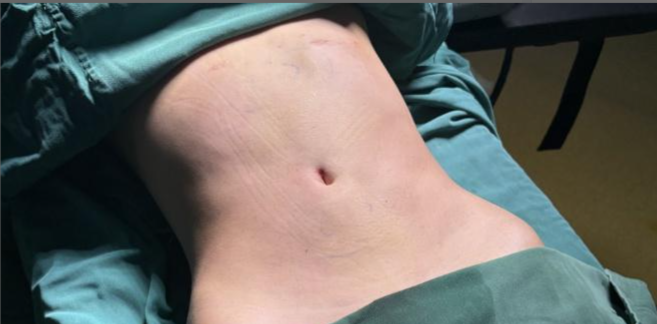
After liposuction surgery, wearing a compression garment is an absolute must! Especially in the first few days following surgery, the garment serves the critical role of applying pressure to stop bleeding (hemostasis).
Secondly, a large portion of the post-liposuction results comes from the shaping effect of the compression garment. When fat is suctioned out, it leaves empty cavities beneath the skin. If these cavities are not closed up, tissue fluid and blood may accumulate within them. Over time, this leads to organization and fibrosis—essentially forming scar tissue. This effectively fills back the volume that was reduced, significantly diminishing the final shaping results.
Furthermore, different body parts have different requirements for wearing compression garments.
1. Waist and Abdomen:
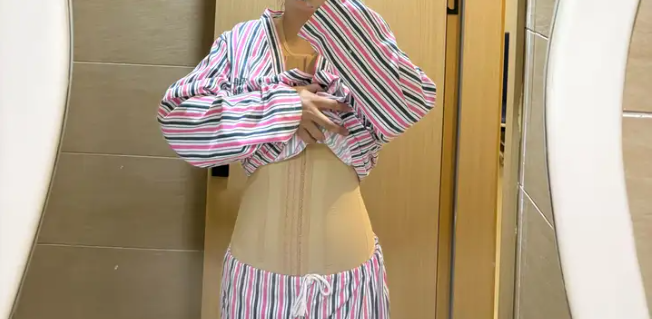
You must wear a tight garment with even elasticity, ensuring it covers at least 5cm beyond the surgical area. As long as the garment has good elasticity, it is sufficient. Additionally, after waist and abdominal liposuction, it is recommended to wear a supportive compression belt over the garment. This aids in collagen remodeling and promotes skin retraction, while also preventing the formation of horizontal abdominal folds.
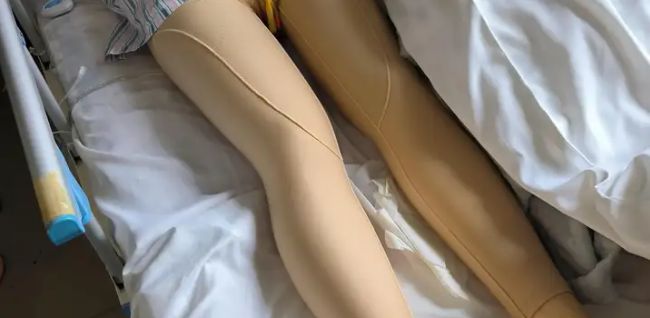
2. Circumferential Thighs:
Generally, there are two key points here. First, the leggings should cover the knee, and it is best if they provide compression to the calves as well to avoid swelling in the lower limbs. Second, the inner thigh area must be covered all the way to the top of the thigh (this is the most easily overlooked part). If the garment is not worn smoothly in the early stages, it can result in uneven lines on the inner thighs and an unnatural transition between the hips and legs.
3. Overall Arm Shaping (e.g., camisole 3-piece or 5-piece sets):
The compression garment must be able to compress the accessory breast tissue (armpit fat), back, and underarm areas simultaneously. Finally, for liposuction shaping of specific areas, the doctor needs to design a specific compression bandaging method. For example, for a “dorsal hump” (neck hump) or local vest line sculpting, compression bandaging needs to be applied according to the actual situation.
Regarding the duration of wear:
In the early post-operative period, it is usually recommended to wear the garment continuously and uninterruptedly. This effectively prevents the formation of hematomas and seromas. One month after surgery, you can reduce the wearing time according to your own recovery. However, especially if the skin is loose, it is recommended to wear it for a full 3 months to better promote skin retraction and the remodeling of collagen fibers.